Swap any pan for any other: the capacity ratio, the scale factor and the new batter depth.
Quick answer
A 9 by 13 inch pan holds 2.33 times what an 8 inch round holds, so one 8 inch batch fills it only 43 percent and sits 0.57 inches deep instead of 1.33. Multiply the recipe by 2.33 to fill it properly, and expect the bake time to move with the depth.
The formula
ratio = target pan volume / original pan volume
The ratio is a straight comparison of pan volumes, and the scale factor is the same number. What gets forgotten is the second half: swapping pans changes the batter depth whether or not you scale the recipe, and batter depth is the main driver of bake time.
Pour one batch into a larger pan and you get a thinner cake that bakes faster. Pour one into a smaller pan and you get a deeper cake that needs noticeably longer, with a real risk of a set edge around an unset middle.
Derived, published or convention?
The capacity ratio is DERIVED arithmetic. Fluted pans such as bundts use their PUBLISHED capacity rather than a derived one, and they have no batter depth to compare because the interior is not flat.
Common pan swaps
Recipe written for
Baked in
Scale by
One batch fills
New batter depth (in)
8 in round
9 in round
1.27
79%
1.05
8 in round
9 x 13 in rectangle
2.33
43%
0.57
9 in round
9 x 9 in square
1.27
79%
1.05
8 in round
10 in round
1.56
64%
0.85
9 in round
9 in springform
1.5
67%
1.33
8 in round
8 in round
1.5
67%
1.33
9 x 13 in rectangle
Half sheet
1
100%
0.67
9 in round
12 cup bundt
1.36
74%
Fluted pan, not derivable
All derived from pan volumes. A scale factor above 1 means the new pan is larger and needs more batter.
Gear for these numbers
These are rendered from the verified catalog and re-ordered against your numbers once you calculate.
Three plain aluminum rounds at roughly the price of one professional pan, made without PFAS, which is the honest starting point before you know which sizes you will actually use.
Best for:finding out which pan sizes you reach for
Amazon prices move often, so check before you buy.
Questions people ask
Do I have to scale the recipe when I swap pans?
Not always. Pouring one batch into a larger pan gives a thinner cake that bakes faster, which is perfectly usable for a sheet cake or a torte layer. Scale the recipe only when you want the same proportions as the original, which matters most when the cake is going to be stacked and the tier heights have to match.
Can I substitute a bundt pan for a round cake pan?
On capacity, yes, and the calculator will give you the ratio. What it cannot give you is a batter depth or a bake time, because a fluted interior has no flat floor to measure against. Underfilling is also less forgiving in a bundt: the cake will not reach the top of the pattern, so the shape that is the point of the pan never forms.
How do I scale a recipe by an awkward factor like 2.33?
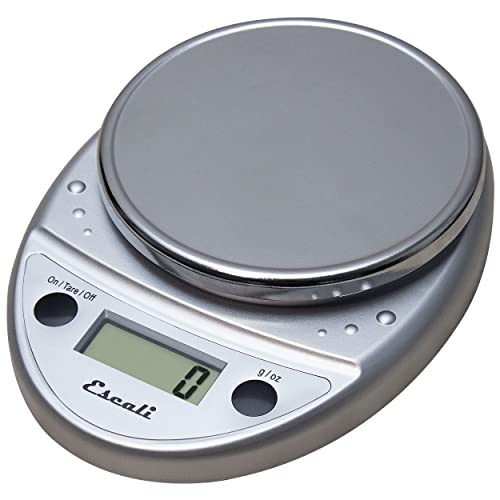
Weigh everything. A factor like that turns tidy cup measures into fractions nobody can measure, and a third of a cup of flour by volume is not a third by weight because flour compacts. Convert the recipe to grams once, multiply every number, and write the new figures down. Weigh beaten egg rather than counting whole eggs.
Will the cake taste different in a different pan?
The crumb can change, which reads as a difference in taste. A deeper cake spends longer in the oven and develops more crust relative to its middle, and a thinner one develops less. Pan material matters too: a dark nonstick pan absorbs more heat and browns the outside harder than uncoated aluminium at the same oven temperature.
This calculator does arithmetic on the numbers you give it. It does not know your oven, your recipe or
your altitude. Figures are labelled as derived, published or trade convention, and where no honest
figure exists the calculator says so instead of producing one. Researched guidance, not professional advice.