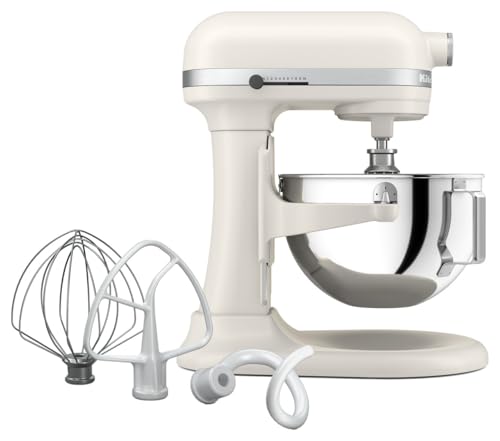
Six cups of American buttercream is about 1.2 batches and roughly 1.2 lb of butter, and it fits a 4.5 quart bowl. A meringue buttercream yields a little more per pound of butter because it is lighter, and needs a bowl filled no more than half for the whipping stage.
Updated 2026. Worked from published standards and trade convention; researched, not professional advice.
How many batches of American, Swiss or Italian buttercream a cake needs, and whether your bowl will hold it.
The formula
batches = cups required / yield per batch
Yield per pound of butter differs by type: an American buttercream runs about five cups, a Swiss meringue about six, an Italian about six and a half. Those are trade conventions and recipes vary, so treat them as a starting point.
The bowl figure matters more than it looks. A meringue roughly doubles in volume as it whips, so the bowl cannot be filled past about half at the egg white stage, and a bowl filled to the brim cannot be mixed properly at any stage.
Derived, published or convention?
Bowl capacities are PUBLISHED KitchenAid figures. The yield per pound of butter and the headroom allowance for whipping are TRADE CONVENTION.
Mixer bowls and what they hold
Bowl
Published flour capacity (cups)
Usable cake batter (cups)
Egg white before whipping (cups)
4.5 quart tilt head
8
10.8
7.2
5 quart tilt head
9
12
8
6 quart bowl lift
12
14.4
9.6
7 quart bowl lift
14
16.8
11.2
8 quart commercial
16
19.2
12.8
Flour capacities are published manufacturer figures. Converting those to a usable batter or meringue volume is trade convention, because a bowl filled to the brim leaves streaks of unmixed ingredient.
Gear for these numbers
These are rendered from the verified catalog and re-ordered against your numbers once you calculate.
A bowl-lift frame in a 5.5 quart size, which matters for meringue and Swiss buttercream because the bowl cannot rock on the hinge while the whisk is running at speed.
Best for:meringue and Swiss buttercream without stepping up to a 7 quart
A flexible silicone edge that wipes the bowl wall as it turns, which is the single attachment that most improves buttercream, because unmixed butter clinging to the side is what makes a batch look curdled.
Best for:buttercream and creaming butter and sugar
A one second reading, which is what makes it usable for Swiss meringue where you are holding a whisk in the other hand and the syrup is still climbing.
Best for:Swiss and Italian meringue, and sugar work
Amazon prices move often, so check before you buy.
Questions people ask
Which buttercream should I use for a cake that has to sit out?
A meringue buttercream holds up better in warmth than an American one, because it carries less sugar and more emulsified butter, though neither is stable in genuine heat. Whatever you use, a cake carrying cream cheese or whipped cream in the filling needs refrigeration regardless of what the outer frosting would tolerate on its own.
Can I make buttercream in batches and combine them?
Yes, and it is what a bakery does when a job exceeds the bowl. Make each batch to the same recipe, then fold them together by hand in a large bowl so the colour and texture match. Combining in the mixer works too, but a bowl filled past its comfortable capacity will not incorporate evenly, which is the problem you were avoiding.
Why does a meringue buttercream need so much headroom?
Because egg white roughly doubles in volume as it whips, and it has to reach full volume before the butter goes in. Fill the bowl past about half at that stage and the meringue climbs over the rim or, more often, simply stops aerating because the whisk cannot move through it. The butter stage takes up less room than the meringue stage does.
How far ahead can I make buttercream?
Buttercream keeps well refrigerated for several days and freezes for longer, then needs bringing fully back to room temperature and re-whipping before use. It will look curdled halfway through that re-whipping, which is normal and comes right as the temperature evens out. Do not try to rush it with heat.
This calculator does arithmetic on the numbers you give it. It does not know your oven, your recipe or
your altitude. Figures are labelled as derived, published or trade convention, and where no honest
figure exists the calculator says so instead of producing one. Researched guidance, not professional advice.